
Move forward and back with the arrow keys
Press F to find text within the slide deck
WebRTC is a new front in the long war for an open and unencumbered web
Voice is just another JS application
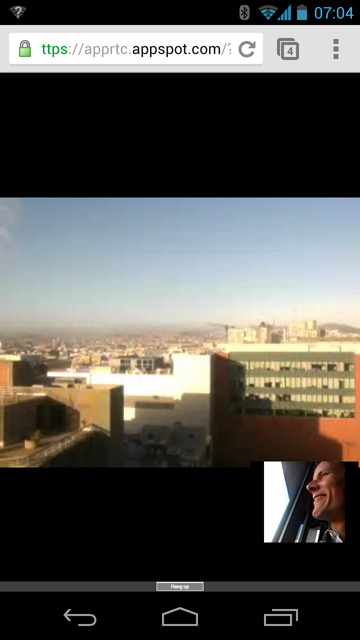
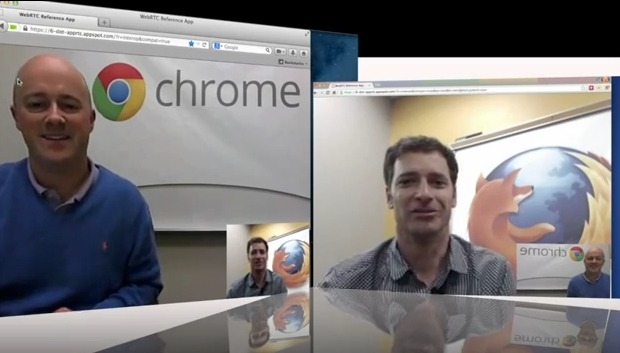
navigator.getUserMedia()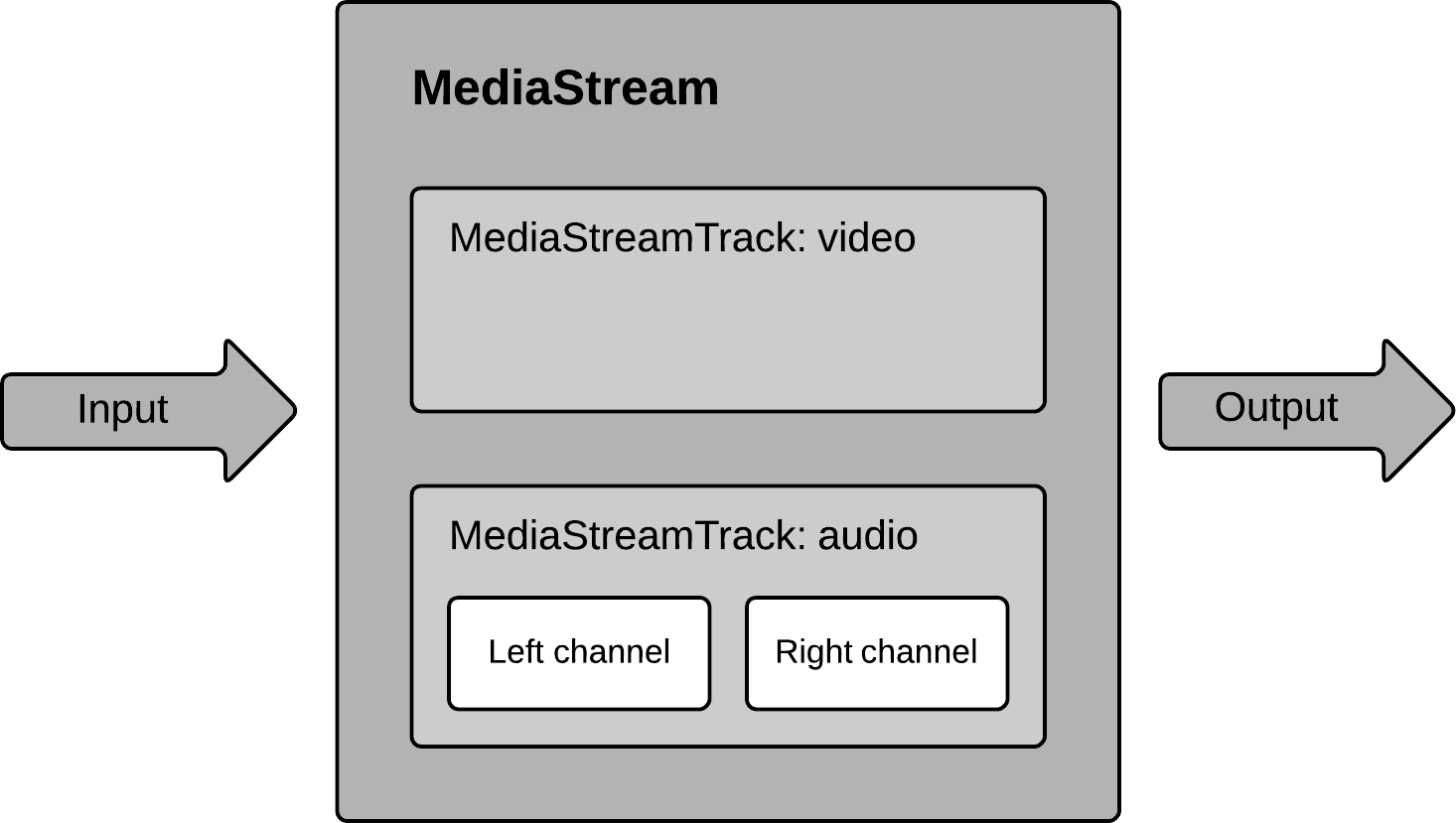
var constraints = {video: true};

function successCallback(stream) {
  var video = document.querySelector("video");
  video.src = window.URL.createObjectURL(stream);
}

function errorCallback(error) {
  console.log("navigator.getUserMedia error: ", error);
}

navigator.getUserMedia(constraints, successCallback, errorCallback);
video: {
  mandatory: {
    minWidth: 640,
    minHeight: 360
  },
  optional [{
    minWidth: 1280,
    minHeight: 720
  }]
}
// Success callback when requesting audio input stream
function gotStream(stream) {
    var audioContext = new webkitAudioContext();

    // Create an AudioNode from the stream
    var mediaStreamSource = audioContext.createMediaStreamSource(stream);

    // Connect it to the destination or any other node for processing!
    mediaStreamSource.connect(audioContext.destination);
}

navigator.webkitGetUserMedia({audio:true}, gotStream);
Make sure to enable Web Audio Input in about:flags!
var constraints = {
  video: {
    mandatory: {
      chromeMediaSource: 'screen'
    }
  }
};

navigator.webkitGetUserMedia(constraints, gotStream);
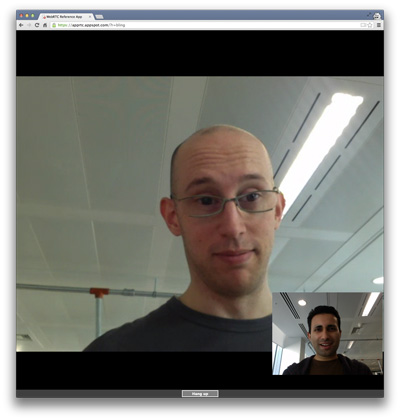
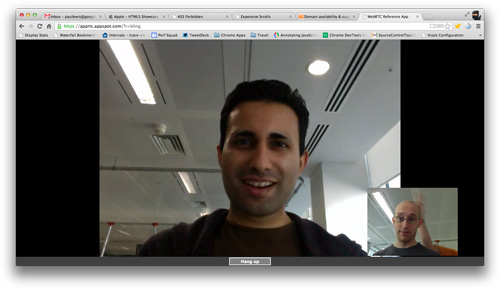
...
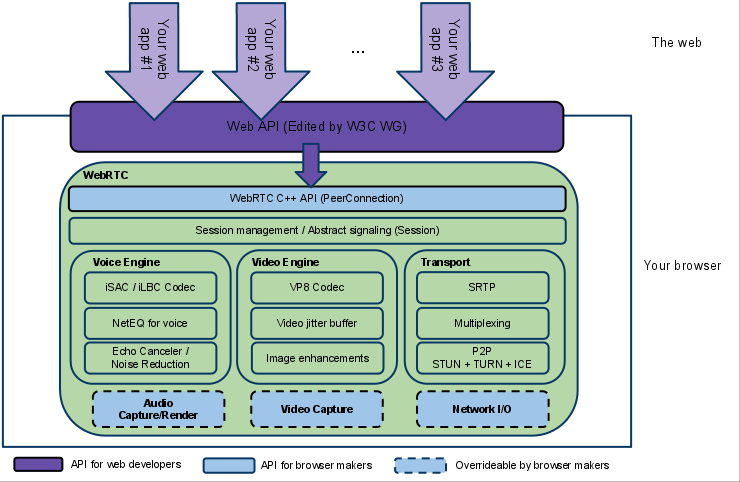
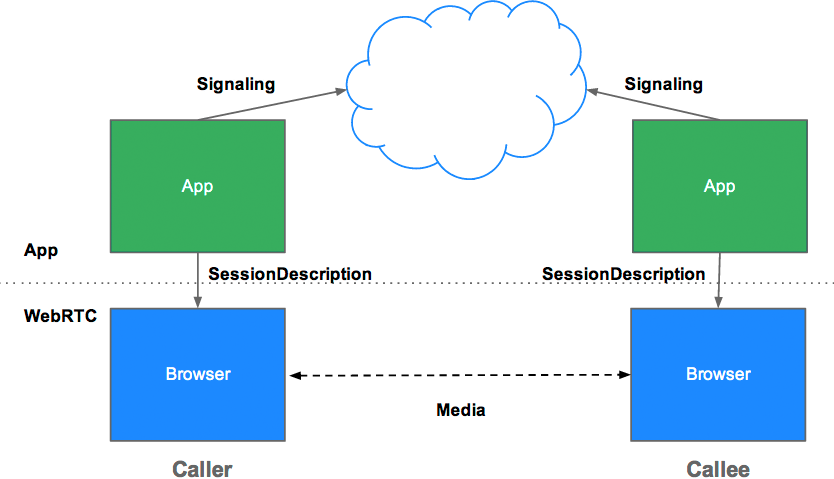
pc = new RTCPeerConnection(null);
pc.onaddstream = gotRemoteStream;
pc.addStream(localStream);
pc.createOffer(gotOffer);

function gotOffer(desc) {
  pc.setLocalDescription(desc);
  sendOffer(desc);
}

function gotAnswer(desc) {
  pc.setRemoteDescription(desc);
}

function gotRemoteStream(e) {
  attachMediaStream(remoteVideo, e.stream);
}
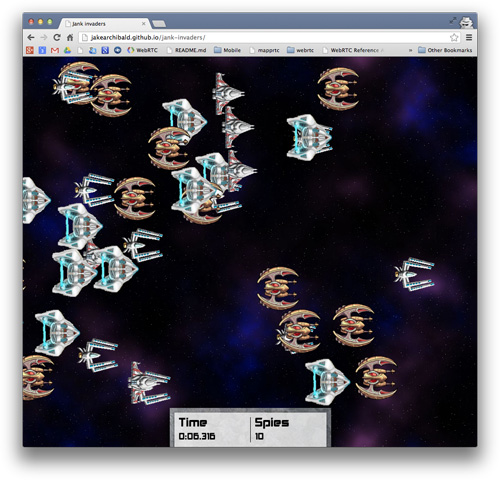
var pc = new webkitRTCPeerConnection(servers,
  {optional: [{RtpDataChannels: true}]});

pc.ondatachannel = function(event) {
  receiveChannel = event.channel;
  receiveChannel.onmessage = function(event){
    document.querySelector("div#receive").innerHTML = event.data;
  };
};

sendChannel = pc.createDataChannel("sendDataChannel", {reliable: false});

document.querySelector("button#send").onclick = function (){
  var data = document.querySelector("textarea#send").value;
  sendChannel.send(data);
};
v=0
o=- 7614219274584779017 2 IN IP4 127.0.0.1
s=-
t=0 0
a=group:BUNDLE audio video
a=msid-semantic: WMS
m=audio 1 RTP/SAVPF 111 103 104 0 8 107 106 105 13 126
c=IN IP4 0.0.0.0
a=rtcp:1 IN IP4 0.0.0.0
a=ice-ufrag:W2TGCZw2NZHuwlnf
a=ice-pwd:xdQEccP40E+P0L5qTyzDgfmW
a=extmap:1 urn:ietf:params:rtp-hdrext:ssrc-audio-level
a=mid:audio
a=rtcp-mux
a=crypto:1 AES_CM_128_HMAC_SHA1_80 inline:9c1AHz27dZ9xPI91YNfSlI67/EMkjHHIHORiClQe
a=rtpmap:111 opus/48000/2
...

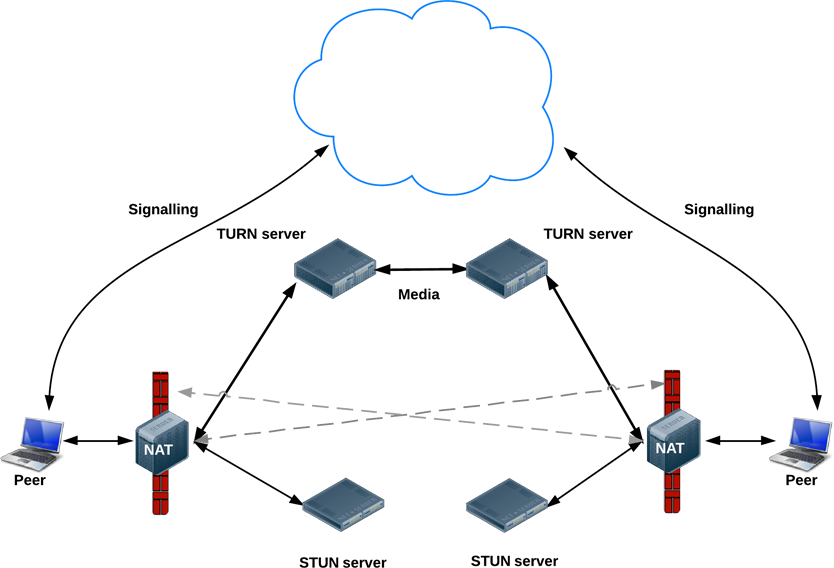
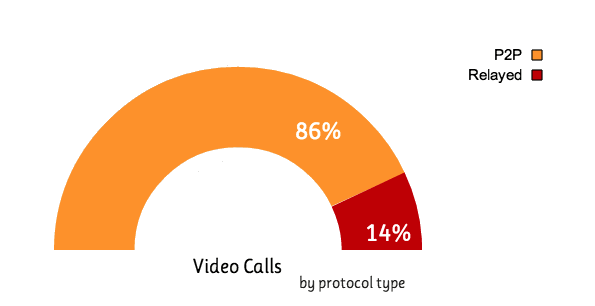



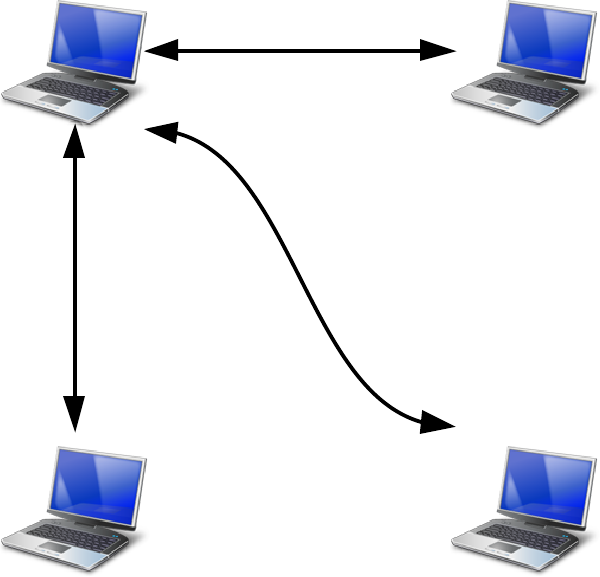
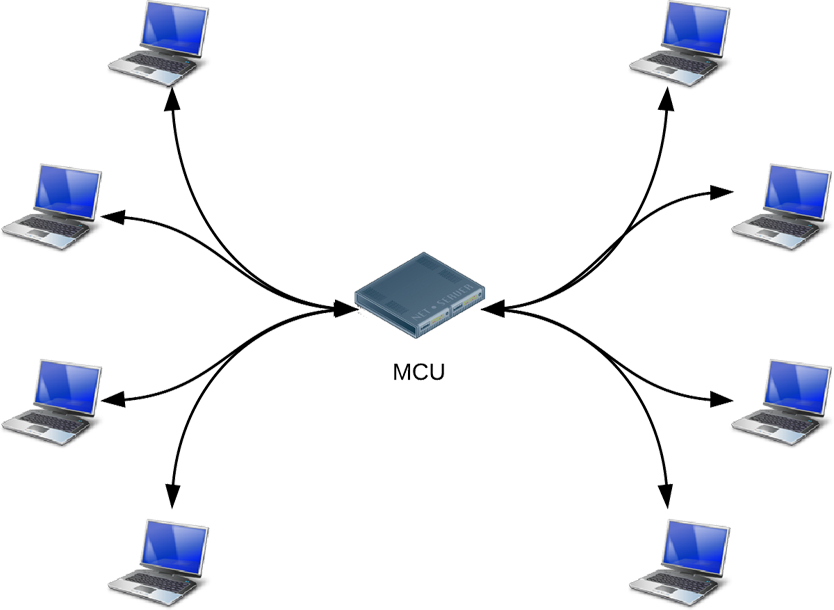
Lets you use the same code in all browsers:
var webrtc = new WebRTC({
  localVideoEl: 'localVideo',
  remoteVideosEl: 'remoteVideos',
  autoRequestMedia: true
});

webrtc.on('readyToCall', function () {
    webrtc.joinRoom('My room name');
});
var peer = new Peer('someid', {key: 'apikey'});
peer.on('connection', function(conn) {
  conn.on('data', function(data){
    // Will print 'hi!'
    console.log(data);
  });
});

// Connecting peer
var peer = new Peer('anotherid', {key: 'apikey'});
var conn = peer.connect('someid');
conn.on('open', function(){
  conn.send('hi!');
});

WebRTC and HTML5 could enable the same transformation for real-time communications that the original browser did for information.